If your Surrey home feels cold in winter, has drafty windows, uneven room temperatures or rising heating bills, you may be considering energy-efficient renovations. But with so many options—including insulation, air sealing, window replacement and heat pumps—knowing where to start can be difficult.
The best energy-efficient home renovations Surrey, BC, begin with understanding how your home currently performs. Replacing windows or installing a new heating system may help, but the right first step depends on your home’s insulation, air leakage, existing equipment and overall condition.
This guide explains how to prioritise energy upgrades, which improvements to consider first, how to plan a home energy retrofit and where to check current British Columbia rebate programs.
Why Consider Energy-Efficient Home Renovations Surrey?
Surrey’s climate includes cool, wet winters and increasingly warm periods during summer. Homes with poor insulation, uncontrolled drafts or inefficient heating equipment may be less comfortable throughout the year.
Older homes can be particularly worthwhile candidates for an energy assessment because their insulation, windows, heating systems and ventilation may not meet today’s performance expectations. However, the right upgrades depend on the home’s actual condition—not simply its age.
Energy-efficient renovations can help homeowners:
- Improve indoor comfort and reduce cold drafts.
- Reduce unnecessary heating and cooling demand.
- Improve temperature consistency between rooms.
- Upgrade ageing heating, ventilation and insulation systems.
- Address air leakage and moisture-related concerns.
- Make more informed decisions about energy-related renovation costs.
Actual savings depend on the home’s starting condition, energy prices, occupant behaviour, equipment selection and installation quality. No single upgrade guarantees a particular reduction in utility bills.
What Is the Best Order for Energy-Efficient Home Upgrades?
There is no universal upgrade sequence for every house. However, a whole-home approach helps you identify the improvements that make sense together rather than spending money on individual upgrades without understanding how they interact.
For many homes, a practical starting framework is:
- Assess the home’s energy performance and identify major problems.
- Address moisture issues, safety concerns and significant air leaks.
- Evaluate attic, wall, basement and crawlspace insulation.
- Review windows, doors and other parts of the building envelope.
- Assess heating and water-heating equipment.
- Plan ventilation improvements where required.
- Consider lighting, controls and other smaller efficiency measures.
This is a planning framework, not a fixed construction sequence. For example, a failing furnace may need urgent attention, while a renovation that opens exterior walls may create an opportunity to improve insulation earlier. A qualified energy advisor or contractor can help determine the appropriate sequence for your property.
Step 1: Get a Home Energy Evaluation
Before committing to major upgrades, consider having your home assessed by a qualified energy advisor.
An energy evaluation can help identify areas where your home loses heat, assess the performance of existing systems and prioritise potential improvements. Depending on the service, it may include an EnerGuide evaluation, air-leakage testing and recommendations for upgrades.
The findings can help answer questions such as:
- Is the attic under-insulated?
- Are drafts caused by gaps around windows, doors or penetrations?
- Would wall or basement insulation be worthwhile?
- Is the existing heating system suitable for the home?
- Would ventilation improvements be needed after air sealing?
- Does a rebate program require a pre-upgrade evaluation?
Not every renovation requires an energy evaluation. However, it can be especially useful when you are considering several upgrades or applying for a program with specific assessment requirements.
You can explore Natural Resources Canada’s home energy assessment information and the BC Home Energy Planner to help you understand possible next steps.
Home Insulation in Surrey: Where Should You Start?
Insulation slows heat transfer between the inside and outside of your home. When insulation is inadequate or poorly installed, your heating system may need to work harder to maintain comfortable indoor temperatures.
The right insulation upgrade depends on the existing material, the home’s construction and any moisture or ventilation issues.
Attic Insulation
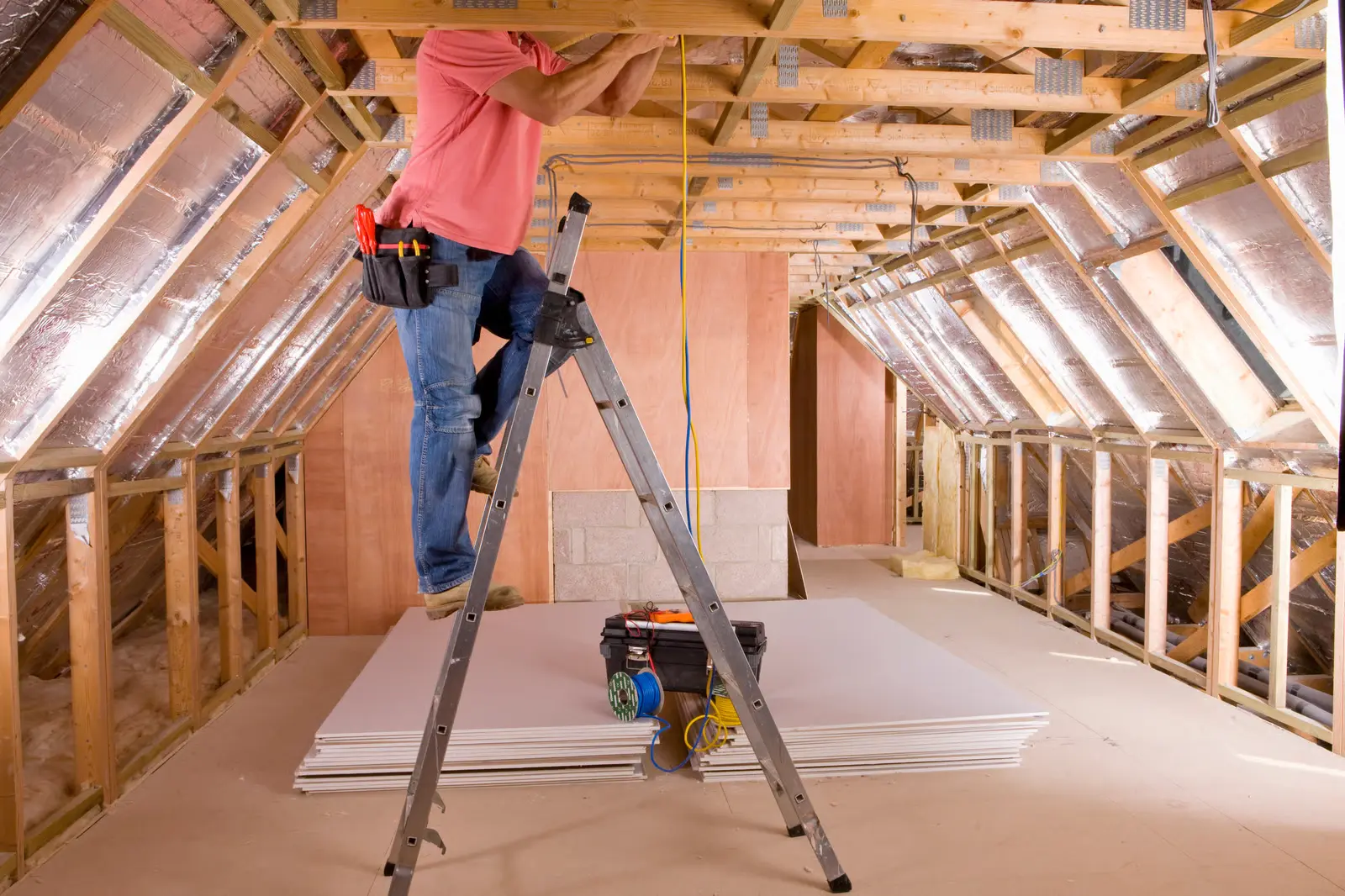
The attic is a useful place to investigate because heat can escape through an inadequately insulated ceiling, especially when air leaks connect the living space to the attic.
Signs that your attic may need attention include:
- Cold rooms on the upper floor.
- Noticeable temperature differences between levels.
- Drafts near ceiling fixtures or the attic hatch.
- Insulation that appears thin, disturbed or uneven.
- High heating demand despite reasonable thermostat settings.
Before adding insulation, check for roof leaks, inadequate ventilation, pest activity and unsafe or potentially hazardous materials. Some older attic insulation may contain vermiculite that requires specialist assessment before disturbance.
An insulation contractor can assess the existing insulation depth, air leakage, ventilation and recommended insulation level. Ask for a written scope that explains the preparation work as well as the new insulation.
Wall Insulation
Wall insulation can improve comfort and reduce heat transfer, but retrofitting existing walls is often more complicated than adding attic insulation.
Depending on the home, work may involve opening interior walls, removing exterior cladding or using another suitable retrofit method. The choice depends on the wall assembly, existing moisture conditions, exterior finish and renovation budget.
If you are already planning a kitchen renovation, bathroom renovation, or larger home remodel, discuss wall insulation while the relevant walls are open. Coordinating the work may reduce the need to remove finished materials later.
Basement and Crawlspace Insulation
Basements and crawlspaces can contribute to cold floors, uncomfortable lower levels and unwanted heat transfer. The correct solution depends on whether the space is heated, how it is constructed and whether moisture is present.
Before insulating, investigate water entry, drainage issues, dampness and existing damage. Insulation should be selected and installed with appropriate moisture management in mind.
If your project also includes finishing a basement, see our Surrey home renovation cost guide when planning the broader renovation budget.
Air Sealing and Draft Proofing: How Can You Reduce Drafts?
Air sealing means reducing uncontrolled air movement through gaps and cracks in a home’s building envelope. Common leakage points include door and window frames, attic hatches, plumbing penetrations and gaps around other services passing through exterior walls or ceilings.
You may notice air leakage when:
- You feel cold air near a closed window or exterior door.
- Certain rooms remain uncomfortable even when the heating is on.
- Dust or outdoor smells enter through gaps.
- Heating demand seems high relative to the home’s size and use.
Which Air Leaks Should You Address?
Depending on the home’s construction and condition, common areas to investigate include:
- Weatherstripping around exterior doors.
- Gaps around window frames.
- The attic hatch and ceiling penetrations.
- Gaps around plumbing and wiring penetrations.
- Openings between the house and unconditioned spaces.
Small, suitable gaps may be addressed with appropriate weatherstripping or sealants. Larger or concealed gaps may need professional assessment, especially where electrical, plumbing, fire-safety or moisture concerns are involved.
Do not block required combustion-air openings or ventilation paths. If a home is made significantly more airtight, its ventilation needs should also be reviewed.
A blower door test can help a qualified professional measure air leakage and identify opportunities for improvement. It may also be relevant to particular energy-efficiency programs.
Are Energy-Efficient Windows Worth It in Surrey?
Window replacement can improve comfort when existing windows are damaged, drafty, poorly sealed or near the end of their useful life. Modern windows may also improve noise control and reduce unwanted heat transfer.
However, replacing every window is not automatically the best first investment. If the main problem is air leakage around frames or inadequate attic insulation, those issues may deserve attention first.
Before replacing windows, consider:
- Whether the glass or seals have failed.
- Whether drafts come from the window itself or the surrounding frame.
- Whether the existing windows can be repaired or weatherstripped.
- The energy performance of the proposed replacement.
- Installation quality and the condition of the surrounding wall.
- Whether the new windows will preserve the home’s appearance.
Compare the complete installed cost, product specifications and warranty—not just the advertised price.
What Should You Look for in Replacement Windows?
Look for suitable energy-performance ratings and products that meet the requirements of the relevant program, if you intend to apply for a rebate. ENERGY STAR certification may be a useful starting point, but the exact product and performance criteria depend on the applicable requirements.
Ask your contractor to explain the proposed window’s performance specifications, installation method and any work needed to address water management around the opening.
For older homes, consider whether original windows can be repaired or upgraded before replacing them. The best choice balances performance, cost, durability and appearance.
Should You Install a Heat Pump in Your Surrey Home?
A heat pump transfers heat rather than generating it solely through electrical resistance. Depending on the system, it can provide heating and cooling, making it an option for homeowners who want year-round temperature control.
Whether a heat pump is suitable depends on the home and its current heating system.
Before choosing one, consider:
- Your current heating fuel and equipment.
- The home’s insulation and air leakage.
- The size and layout of the rooms.
- Whether the system will be ducted or ductless.
- Electrical service capacity and any required upgrades.
- Equipment sizing, noise, installation location and maintenance.
- The cost of installation compared with other heating options.
An appropriately sized system installed by a qualified contractor can improve comfort and energy performance. However, savings vary according to the previous system, electricity and fuel prices, equipment performance and how the home is used.
If you plan to install a heat pump during a broader renovation, discuss the timing with your contractor and heating specialist so that electrical requirements, equipment placement and any building work can be coordinated.
Why Ventilation Matters After Air Sealing
Air sealing can reduce unwanted drafts, but a home also needs appropriate fresh-air ventilation and moisture control.
If a renovation makes the building significantly more airtight, the existing ventilation may no longer be adequate. This is particularly important in kitchens, bathrooms and other areas where moisture and indoor pollutants are produced.
Depending on the home, a ventilation assessment may recommend improvements to bathroom exhaust fans, kitchen ventilation or a balanced ventilation system.
Heat Recovery Ventilators (HRVs) and Energy Recovery Ventilators (ERVs) can transfer energy between outgoing and incoming air streams. The right system depends on the home’s design, climate, ventilation requirements and budget.
Before adding insulation or sealing large areas, ask whether ventilation improvements should be included in the project. A well-planned retrofit should improve comfort without creating moisture or indoor-air-quality problems.
Are LED Lighting and Smart Thermostats Worth Considering?
Smaller upgrades can complement more substantial building-envelope or heating improvements.
LED Lighting
Replacing suitable incandescent or halogen bulbs with LED alternatives can reduce electricity use for lighting. Check the bulb base, brightness, colour temperature, dimmer compatibility and fixture requirements before purchasing.
LED upgrades are often straightforward, but their financial benefit depends on the number of lights, how often they are used, and the cost of electricity.
Smart Thermostats and Heating Controls
A suitable thermostat can help manage heating schedules and temperatures. However, compatibility matters: some heating systems need specific controls, and not every smart thermostat works with every type of electric baseboard, heat pump or boiler.
Choose controls that are compatible with your equipment and household routine. A thermostat cannot compensate for major insulation problems or an incorrectly sized heating system.
What Energy-Efficiency Rebates Are Available in BC in 2026?
British Columbia homeowners may be eligible for energy-efficiency rebates through BC Hydro, FortisBC and Better Homes programs. Available incentives depend on the type of upgrade, the home’s primary heating source, utility account, household circumstances and the specific program’s rules.
Important: Rebate amounts and eligibility requirements can change. Do not finalise a renovation budget based on an advertised maximum until you have confirmed that your home and proposed upgrade qualify.
BC Hydro Home Renovation Rebates
BC Hydro provides information about eligible home energy upgrades, which may include insulation, heating systems, windows and doors, and other measures under applicable programs.
The available amount depends on the specific upgrade and the relevant terms. Some upgrades require installation by a qualifying contractor, and certain combinations may qualify for a bonus.
Check the latest BC Hydro home renovation rebates before arranging work.
FortisBC Rebates
FortisBC offers different energy-efficiency incentives for eligible customers. The programs and amounts available to a natural gas customer may differ from those available to an electricity customer.
Before applying, check the heating-source requirements, approved products, contractor requirements, application deadlines and whether your planned work is eligible.
See the current FortisBC rebates and energy-saving programs.
Better Homes Energy Savings Program
The Better Homes Energy Savings Program provides support for eligible income-qualified households. Its requirements include household income criteria, eligible utility accounts and specific conditions for individual upgrades.
The program requirements were updated for invoices dated on or after July 6, 2026. Some previous rebate options are no longer available under the same terms, so older articles and promotional pages may not reflect the current rules.
Review the latest Energy Savings Program eligibility requirements and confirm your eligibility before starting work.
How Can You Avoid Rebate Mistakes?
Before signing a renovation contract:
- Identify the program that applies to your home and heating system.
- Check whether pre-approval, an energy evaluation or a specific contractor is required.
- Confirm the eligible equipment, product ratings and installation standards.
- Ask whether the upgrade must be completed and invoiced within a specific period.
- Keep quotes, invoices, proof of payment and other required documents.
- Confirm whether rebates can be combined and whether other funding affects eligibility.
Do not assume that all programs can be combined or that every homeowner qualifies for the maximum advertised amount. Check the official requirements before making a purchase.
How Much Do Energy-Efficient Home Renovations Cost in Surrey?
The cost of an energy retrofit depends on the size and condition of the home, the upgrade selected, accessibility, labour, materials and any additional repairs required.
A small draft-proofing project is very different from replacing windows throughout a house or upgrading insulation, ventilation and heating equipment together. For that reason, there is no single reliable price for every Surrey home.
When requesting estimates, ask contractors to separate the following where applicable:
- Assessment and diagnostic testing.
- Materials and installation labour.
- Removal and disposal of existing materials.
- Repairs to damaged areas.
- Electrical, plumbing or other supporting work.
- Permit and inspection costs where required.
- Equipment commissioning and documentation.
- Applicable rebates, clearly separated from the quoted project price.
Request a written scope that explains exactly what is included and excluded. Compare equivalent specifications across quotes rather than choosing a contractor on the lowest total alone.
For a broader renovation budget, read our Surrey home renovation cost guide.
Should You Combine Energy Upgrades With a Larger Renovation?
If you are already planning a kitchen, bathroom, basement or whole-home renovation, it may be practical to coordinate energy improvements with the main project.
For example, insulation may be easier to improve when walls are already open. Electrical work may be easier to coordinate before new finishes are installed. Heating equipment and ventilation may also need to be considered when the home’s layout or building envelope changes.
Before combining projects, discuss the benefits and extra costs with your contractor. Not every upgrade becomes cheaper when bundled, and work should not be added solely because a rebate is available.
If you are renovating an older property, our guide to renovating an older home in Surrey without losing its character explains how to assess hidden systems and coordinate improvements while preserving original features.
Frequently Asked Questions About Energy-Efficient Home Renovations in Surrey
What is the best first energy upgrade for a Surrey home?
Start by identifying the home’s main sources of heat loss and energy use. Air sealing and insulation are common priorities, but the best first upgrade depends on the property’s condition, existing heating system and any urgent repairs. An energy evaluation can help establish a suitable order.
Are energy-efficient home renovations worth it in Surrey?
They may be worthwhile if they address real problems such as drafts, inadequate insulation, inefficient equipment or poor temperature control. The benefits can include improved comfort and lower energy use, but the financial return depends on project cost, energy prices and the home’s starting condition.
Should I replace my windows before adding insulation?
Not necessarily. If windows are serviceable but the attic is under-insulated or the home has significant air leakage, other improvements may deserve priority. If the windows are failing or allowing water entry, repairs or replacement may be more urgent. Assess the entire building envelope before deciding.
Are heat pumps suitable for Surrey’s climate?
Heat pumps can be suitable for many homes in the Lower Mainland, but system selection and installation matter. Have a qualified heating professional assess the home’s heating demand, insulation, distribution system and electrical requirements before choosing equipment.
Can I get rebates for insulation or heat pumps in Surrey in 2026?
Possibly. BC Hydro, FortisBC and Better Homes programs have different eligibility rules and incentives. The amount available depends on the home, the upgrade, the utility account and other conditions. Confirm the latest requirements directly with the relevant program before committing to work.
Do I need a home energy evaluation before applying for rebates?
Some programs require a pre-upgrade evaluation or other assessment, while others have different documentation requirements. Check the rules for your specific program before booking work or purchasing equipment.
Does air sealing cause ventilation problems?
Air sealing itself is not the problem; inadequate ventilation can become a concern if a home is made significantly more airtight without addressing fresh-air and moisture-management needs. Consider ventilation as part of the overall retrofit plan.
Can I complete energy upgrades during a kitchen or basement renovation?
Often, yes. A broader renovation can provide opportunities to coordinate insulation, air sealing, electrical work or ventilation while affected areas are accessible. Confirm the scope, permit requirements and sequence with your contractor before construction begins.
Plan Your Energy-Efficient Home Renovation Surrey
The best energy-efficiency improvements begin with a clear understanding of your home. Assess its current condition, prioritise the most important problems, consider how different systems work together and confirm rebate eligibility before making financial decisions.
Insulation, air sealing, windows, heating equipment and ventilation can all play a role—but the right combination depends on your property’s needs and your renovation goals.
Imperiial Contracting provides home renovation services for homeowners in Surrey and surrounding communities. If you are planning a renovation that could include energy-efficiency improvements, visit our home renovation services page or contact Imperiial Contracting to discuss your project.
For older homes requiring wider improvements, you can also read our guide to older home renovation in Surrey.