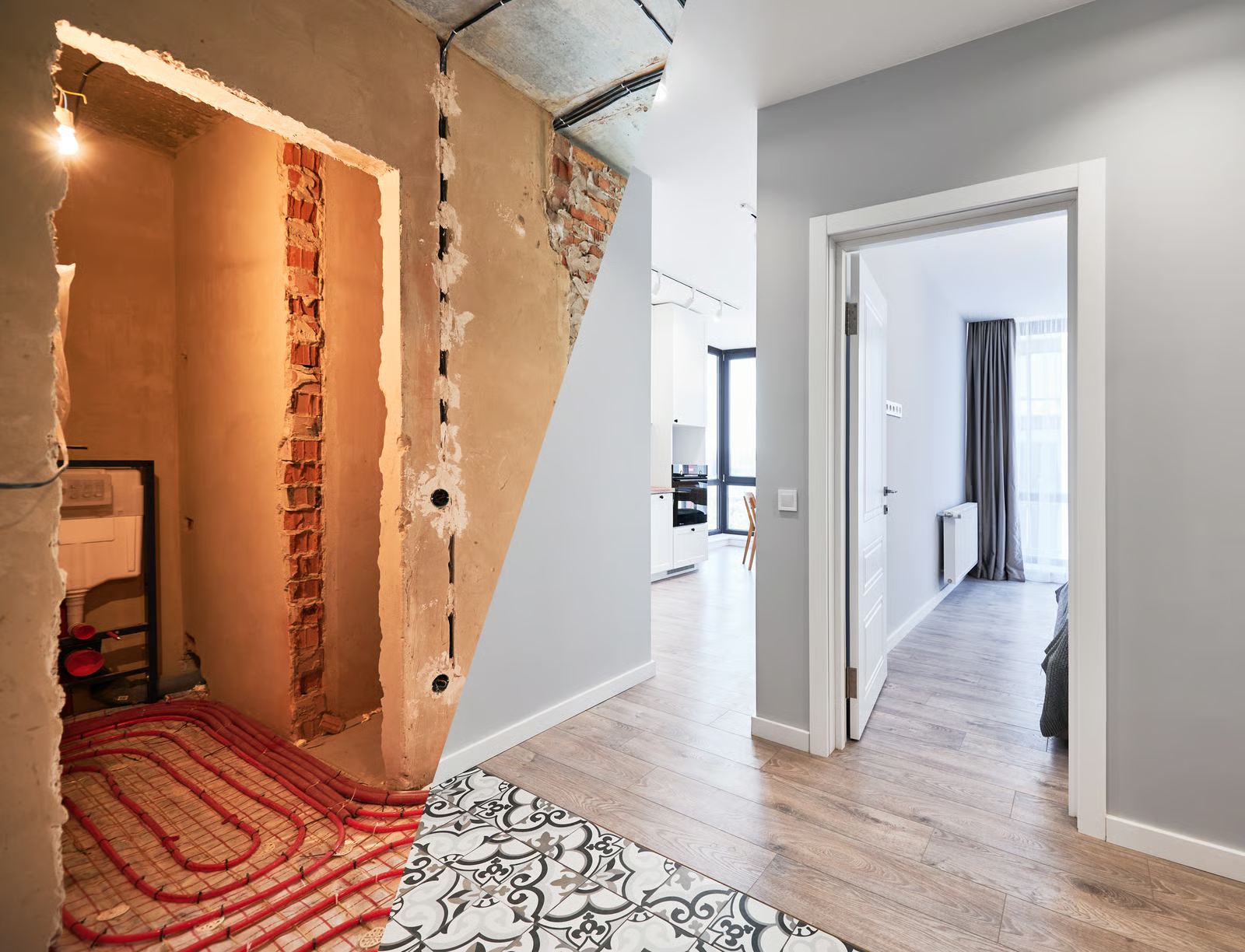
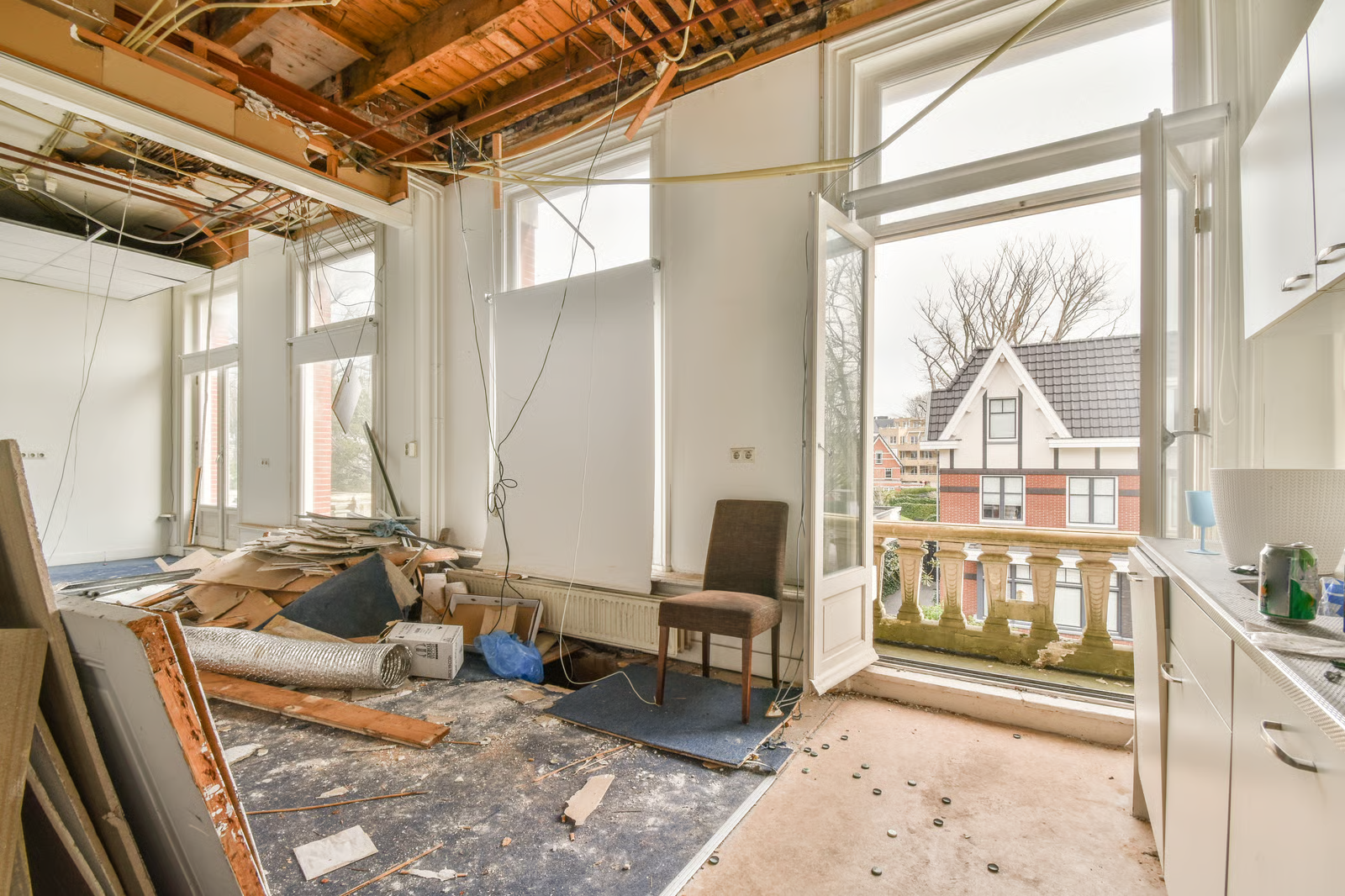
Older homes in Surrey have something many new builds cannot easily replicate: original architectural details, mature landscaping, established neighbourhoods, and a sense of character. Whether you own a bungalow in Newton, a family home in Cloverdale, or an older property in Fleetwood, renovating it requires a balance between preserving its original appeal and making it safer, more comfortable, and energy-efficient.
The challenge is knowing what to preserve, what to upgrade, and what hidden problems to address before construction begins.
A well-planned older home renovation in Surrey, BC can improve functionality, update ageing systems, and retain the features that make your property unique. This guide explains the common issues to investigate, local permit considerations, energy-efficiency upgrades, and how to choose the right renovation contractor.
What Makes Older Homes in Surrey Different to Renovate?
Older homes often have different construction methods, materials, layouts, and mechanical systems than newer properties. Homes built several decades ago may have outdated plumbing, older electrical components, limited insulation, or floor plans that no longer suit modern lifestyles.
In established Surrey neighbourhoods such as Newton, Cloverdale, Fleetwood, Guildford, and Whalley, homeowners may also want to preserve original woodwork, hardwood flooring, exterior trim, or other architectural details.
Before starting an older home renovation, assess three key areas:
- Structural condition: Check for significant cracks, moisture damage, foundation concerns, or changes in floor levels.
- Building systems: Review the condition of plumbing, electrical components, insulation, windows, and heating equipment.
- Original character: Identify architectural features that can be repaired or restored instead of replaced.
Understanding these areas helps you prioritise necessary repairs and plan improvements around your home’s existing condition.
What Hidden Problems Should You Check Before Renovating an Older Surrey Home?
Opening walls, ceilings, and floors can reveal problems that were not visible during the initial inspection. Not every older home has these issues, but identifying potential risks early can help you prepare a realistic renovation budget.
1. Poly-B Plumbing
Polybutylene, commonly called Poly-B, is a grey or white plastic piping material that was used in many Canadian homes, particularly during the late 1970s through the 1990s.
As Poly-B systems age, deterioration, damaged fittings, or other weaknesses can increase the risk of leaks. Water damage can affect flooring, drywall, cabinetry, and other parts of the property.
If your older Surrey home has Poly-B plumbing, ask a qualified plumbing professional to assess its condition and explain whether replacement is advisable.
Replacing ageing pipes during a larger renovation may be more practical when walls and floors are already open. The appropriate replacement system and scope of work should be determined by the plumbing professional.
2. Aluminum Wiring and Older Electrical Systems
Some Canadian homes built during the 1960s and early 1970s contain aluminium branch-circuit wiring. However, a home’s age alone does not confirm which wiring materials were installed.
Aluminium wiring is not automatically unsafe, but its connections and terminations require appropriate assessment and installation practices. Problems at connections can create overheating and fire risks.
If you are renovating an older property, have a qualified electrician assess the existing wiring, electrical panel, outlets, switches, and any planned changes to electrical loads.
You should also check with your insurance provider about any inspection, documentation, or remediation requirements that apply to your particular property and policy.
Addressing electrical concerns before finishing walls and ceilings can help prevent the need to reopen completed areas later.
3. Inadequate Insulation and Drafty Windows
Older homes may have less insulation and more air leakage than homeowners expect. Drafty windows, cold rooms, uneven indoor temperatures, and high heating bills can indicate opportunities to improve energy performance.
Depending on the home’s existing construction, possible upgrades include:
- Attic and wall insulation
- Air sealing around windows, doors, and other openings
- Window and door improvements
- Heating and cooling equipment upgrades
- Ventilation improvements
The right solution depends on the building’s condition and how it currently performs. For example, adding insulation without considering moisture control and ventilation can create problems in some assemblies.
Consider a professional assessment before selecting insulation or window upgrades, especially when working with older walls and original materials.
Does Surrey Have Special Rules for Renovating Older or Heritage Homes?
Yes. Some properties in Surrey have heritage recognition or legal heritage protection that can affect renovation and alteration plans.
The City of Surrey maintains a Heritage Register and list of protected sites. The City explains that heritage properties may be listed on an inventory or register, and some are protected through designation bylaws, heritage revitalisation agreements, or conservation covenants.
These distinctions matter because being listed and being legally protected are not necessarily the same thing.
Before changing the exterior of an older property, check its heritage status and determine whether a heritage alteration permit or additional review may be required.
You should also confirm the regular building permit requirements for your project. The City of Surrey’s residential building permit guidance explains when permits are generally required, including for interior renovations and applicable plumbing and electrical work.
Checking these requirements before construction begins can help prevent avoidable delays and changes to your renovation plans.
How Can You Modernise an Older Home Without Losing Its Character?
The key is to distinguish between the systems that need updating and the original features worth preserving.
A successful character-preserving renovation can improve comfort, functionality, and energy performance without removing every detail that makes the house distinctive.
Restore Original Hardwood Floors
Original hardwood floors can add warmth and character to an older property. If the boards are in suitable condition, sanding, refinishing, or repairing damaged sections may be preferable to replacing the entire floor.
Have the flooring assessed first, particularly if there is moisture damage, significant movement, or evidence of previous repairs.
Preserve Original Trim and Architectural Details
Wooden window casings, decorative trim, interior doors, built-in cabinets, and original exterior details can contribute significantly to a home’s appearance.
Where practical, repair and restore these features rather than replacing them with materials that have different profiles, proportions, or finishes.
If replacement is necessary, matching the original dimensions and detailing can help maintain a cohesive appearance.
Improve the Layout Carefully
Older floor plans may include smaller rooms, enclosed kitchens, or limited storage. Modernising these spaces can improve daily use, but removing walls or changing room layouts should be planned carefully.
Before opening up a floor plan, determine whether any walls are load-bearing and whether the proposed changes require engineering, permits, or other approvals.
A thoughtful layout can make a home feel more spacious without removing every original feature.
For more information about planning and coordinating these improvements, explore Imperiial Contracting’s home renovation services in Surrey.
Upgrade Hidden Systems First
Plumbing, electrical systems, insulation, and ventilation may not be visible once a renovation is complete, but their condition affects the home’s long-term performance.
If several systems need work, coordinating the upgrades with planned demolition and finishing can reduce the need to disturb completed surfaces later.
The goal is to modernise the infrastructure while retaining original features wherever it is practical and safe to do so.
Are Energy-Efficiency Rebates Available for Older Homes in Surrey?
Potentially. Eligible British Columbia homeowners may qualify for rebates for certain energy-efficiency improvements, depending on the program, household eligibility, property type, equipment, and installation requirements.
Possible improvements may include qualifying insulation, windows and doors, or heat pump installations.
However, rebate programs and eligibility rules change over time. The Better Homes BC Energy Savings Program requirements specify changes effective for invoices dated on or after July 6, 2026, and some previous rebates are no longer available.
Before including a rebate in your renovation budget, check the current requirements directly through the Better Homes BC Energy Savings Program.
You can also investigate applicable programs offered by BC Hydro and FortisBC.
A home energy assessment may help identify which upgrades are appropriate for your property and whether any available incentives apply before you commit to the work.
How Much Does an Older Home Renovation Cost in Surrey?
The cost of renovating an older home in Surrey depends on its size, current condition, materials, labour, design changes, permit requirements, and the extent of plumbing, electrical, or structural work.
A cosmetic refresh is generally a different type of project from a renovation involving multiple rooms and aging building systems.
Common cost factors include:
- Plumbing replacement or repairs
- Electrical upgrades
- Insulation and window improvements
- Kitchen and bathroom renovations
- Flooring, drywall, and painting
- Structural changes and engineering
- Permit fees and inspections
- Repairs to unexpected damage discovered during construction
Because older properties can contain concealed issues, it is sensible to discuss a contingency allowance with your contractor. A reserve of 10% to 15% is sometimes used as an initial planning guideline, although the appropriate amount depends on the uncertainty and complexity of the project.
For a more detailed local budgeting guide, read Home Renovation Cost in Surrey, BC.
A detailed written estimate based on your home’s actual condition is more useful than relying on a generic price per square foot.
What Should You Look for in an Older Home Renovation Contractor in Surrey?
Renovating an older property can involve challenges that are not obvious at first. A contractor may need to coordinate structural changes, work around existing materials, preserve original finishes, and address problems discovered after demolition.
When comparing contractors, consider the following:
Experience with older homes: Ask whether the contractor has completed renovations involving aging plumbing, older electrical systems, original woodwork, or changes to existing layouts.
Examples of previous work: Request photographs or examples of relevant projects, ideally involving properties with similar construction and renovation requirements.
Qualified tradespeople: Confirm that applicable electrical, plumbing, and other regulated work will be handled by appropriately qualified professionals.
Written scope and estimate: The proposal should explain the planned work, materials, exclusions, payment arrangements, and how unexpected repairs or changes will be handled.
Insurance and safety: Confirm appropriate liability insurance and WorkSafeBC coverage where applicable. Check references and review the contractor’s approach to permits and inspections.
Clear communication: Choose a contractor who explains the options, identifies potential risks, and keeps you informed as the project progresses.
A good renovation plan should account for both the home’s practical needs and the original details you want to preserve.
Frequently Asked Questions About Older Home Renovation in Surrey
What are the most common problems in older Surrey homes?
Potential problems include ageing plumbing, outdated electrical components, inadequate insulation, drafty windows, moisture damage, and layouts that no longer meet a household’s needs. The actual issues vary by property, so an inspection is important before planning major work.
Should I replace Poly-B plumbing when renovating an older home?
If your property has Poly-B piping, have it assessed by a qualified plumbing professional. Depending on its condition and your renovation plans, replacing it may be a practical way to address potential leak risks before walls and floors are finished.
Does an older home in Surrey need a renovation permit?
Many residential renovations require a building permit, and separate plumbing or electrical permits may be required for applicable work. Heritage-related approvals may also apply to protected properties. Check the City of Surrey’s current requirements before construction begins.
Can I renovate a heritage home without losing its original character?
Yes. Careful planning can help preserve original flooring, trim, doors, windows, and other architectural details while improving comfort and functionality. If the property has heritage protection, confirm any applicable alteration requirements before making changes.
Are energy-efficiency rebates available for older homes in BC?
Some homeowners may qualify for rebates for eligible energy-efficiency upgrades. Availability depends on the program’s current rules, household eligibility, equipment, and installation requirements. Check Better Homes BC and other participating program providers before budgeting for incentives.
Is it better to renovate an older home or rebuild it?
It depends on the home’s structural condition, renovation requirements, budget, and long-term goals. Renovation may be appropriate when the structure is suitable and the existing character is worth preserving. Extensive structural damage or other major issues may justify comparing renovation costs with rebuilding options.
How can I budget for unexpected costs during an older home renovation?
Start with a detailed assessment, written scope of work, and itemized estimate. Discuss concealed-condition risks with your contractor and set aside a contingency allowance appropriate to the project’s complexity. Avoid assuming that every hidden issue can be identified before demolition.
Final Thoughts
An older home renovation in Surrey should do more than update the appearance of a property. It should improve how the home functions, address ageing systems, and preserve the architectural details that make it distinctive.
By assessing the building’s condition, checking permit and heritage requirements, planning energy-efficiency improvements, and choosing an experienced contractor, you can make more informed decisions before construction begins.
If you are planning to renovate an older property in Newton, Cloverdale, Fleetwood, Guildford, or elsewhere in Surrey and the Lower Mainland, contact Imperiial Contracting to discuss your renovation requirements and request a project-specific estimate.
The goal is simple: make your home safer, more comfortable, and more practical for modern living without losing the character that made you love it in the first place.